
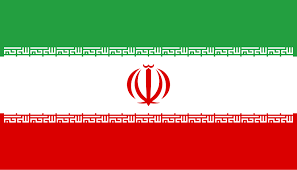
IRAN
Travel Risk Overview
Iran Travel Risk Overview
Introduction
Iran is a major regional power in the Middle East with significant political, military, and strategic influence across the wider region. It plays a central role in regional geopolitical dynamics and maintains complex relationships with neighbouring countries and global powers.
In 2026, Iran is operating in a highly sensitive and volatile security environment, shaped by ongoing regional tensions, intermittent military escalation risks, internal political pressure, and strict domestic governance structures. Recent developments across the region have further increased uncertainty around travel safety, particularly regarding airspace security, civil unrest potential, and rapid escalation scenarios.
While major cities such as Tehran, Isfahan, and Shiraz remain operational, the overall environment is highly unpredictable from a security and regulatory standpoint.
Country Overview
Capital: Tehran
Key Cities: Tehran, Isfahan, Shiraz, Mashhad, Tabriz
Population: ~89–90 million
Language: Persian (Farsi)
Currency: Iranian Rial (IRR)
Iran is a large and geographically diverse country, spanning urban centres, mountainous regions, deserts, and remote border areas. Population density is highest in major urban corridors, particularly Tehran and the northwest.
Travel & Entry
Passports
A valid passport is required, typically with at least six months validity.
Visas
Iran operates a controlled visa system:
Tourist visa: Required for most nationalities; often pre-arranged
Visa on arrival: Limited eligibility and increasingly restricted
Business visa: Requires invitation and government-linked approval
Journalist / media access: Highly restricted and tightly monitored
Visa approval is discretionary and can be denied without explanation.
Entry Considerations
Entry processes include strict questioning and document verification
Travel history (especially to certain countries) may impact entry approval
Dual nationals may face additional scrutiny
Internet, devices, and communications may be monitored upon entry
Local Travel
Overview
Iran has a large internal transport network, but travel conditions are influenced by infrastructure variation and security sensitivity.
Air Travel
Domestic flights connect major cities (Tehran, Mashhad, Shiraz, etc.)
International aviation routes may be affected by regional airspace restrictions and temporary closures during escalation periods
Air safety perceptions are impacted by geopolitical tensions and sanctions-related limitations
Road Travel
Driving is on the right-hand side
Highway network is extensive but varies in quality
Traffic in Tehran is highly congested and unpredictable
Rural and border regions may have security checkpoints and restricted zones
Public Transport
Metro system in Tehran is operational and widely used
Intercity buses are common and affordable
Rail network connects major cities but travel times are long
Taxis and informal transport are widely used but vary in reliability
Travel Risk Overview
Crime
Crime against foreigners is generally limited but context-dependent.
Petty crime exists in urban centres
Fraud and scams targeting foreigners may occur
Street crime is not the primary risk factor compared to political/security issues
Strong enforcement of local laws affects visitor behaviour significantly
Security Environment / Terrorism
Iran presents a high-risk security environment primarily driven by geopolitical and state-level factors rather than conventional crime.
Key considerations:
Overall risk level is assessed as very high due to political instability and external tensions
Risk of arbitrary detention and legal enforcement actions against foreigners is significant
Terrorism risk exists, particularly in border regions and politically sensitive areas
Security services are highly active and conduct extensive monitoring
Recent international assessments continue to classify Iran under “Do Not Travel” advisories, citing risks including terrorism, wrongful detention, and civil unrest.
Regional escalation dynamics in 2026 have further increased concerns about:
Airspace disruptions
Military-related incidents or spillover risks
Sudden transport or infrastructure restrictions
Civil Unrest
Demonstrations occur periodically in response to political, economic, or social issues
Protests can escalate quickly and may be dispersed by security forces
Internet shutdowns and communication restrictions have occurred during unrest periods
Foreign nationals are advised to avoid any gatherings or politically sensitive areas
Recent reporting indicates episodes of internal instability and security force deployments in major cities during periods of tension.
Infrastructure & Health
Iran has a mixed infrastructure profile:
Urban healthcare in Tehran is relatively advanced
Private medical services exist but access may be constrained for foreigners
Sanctions and supply chain limitations can affect medication availability
Emergency response capacity varies significantly outside major cities
Key considerations:
Internet restrictions and surveillance are common
Power or communication disruptions may occur during unrest
Border regions may have limited infrastructure and higher security risk
Air quality in Tehran and industrial cities can be poor
Key Considerations
Extremely strict legal system with severe penalties for violations
Heavy regulation of political expression and media
Strict enforcement of cultural and religious codes
Alcohol and drugs are illegal with severe penalties
Photography of government, military, or infrastructure sites is prohibited
Foreign electronics may be monitored or inspected
Dual nationality can significantly increase risk exposure
Is Iran Safe to Travel?
Iran is currently assessed as a high-risk travel destination due to a combination of:
Ongoing geopolitical tensions and regional instability
Risk of arbitrary detention and strict legal enforcement
Civil unrest potential and periodic internal protests
Airspace and infrastructure disruption risks
Limited consular protection for many foreign nationals
Most international advisories continue to recommend “Do Not Travel” to Iran under current conditions, particularly for non-essential travel.
Access to Real-Time Information
This overview reflects baseline conditions. Given Iran’s rapidly changing political and security environment, real-time monitoring is essential, especially for:
Airspace changes
Regional escalation events
Internal protests or internet disruptions
Border security developments

Travelling and need additional support?
Global Traveller provides real-time travel risk monitoring, 24/7 operational support and direct access to on-the-ground assistance, designed for individuals and organisations operating in complex environments.