
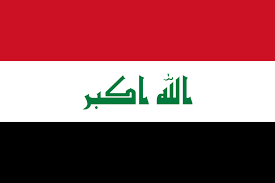
IRAQ
Travel Risk Overview
Iraq Travel Risk Overview
Introduction
Iraq remains a strategically significant country in the Middle East, shaped by its political transition, security restructuring, and ongoing influence from regional and international actors. While the country has seen periods of relative stabilization in recent years, the overall security environment remains complex and uneven, with significant variation between regions.
In 2026, Iraq continues to face security fragmentation, political tensions, and external regional pressures, particularly due to its proximity to conflict zones and the presence of multiple armed actors in certain areas. Major cities such as Baghdad and Erbil are operational, but travel conditions require careful planning and continuous situational awareness.
Country Overview
Capital: Baghdad
Key Cities: Baghdad, Erbil, Basra, Mosul, Najaf
Population: ~45–46 million
Language: Arabic (official), Kurdish (in the Kurdistan Region)
Currency: Iraqi Dinar (IQD)
Iraq is geographically and politically diverse, with the Kurdistan Region in the north operating with a higher degree of internal stability compared to central and southern governorates. Security conditions vary significantly by location.
Travel & Entry
Passports
A passport valid for at least six months is generally required.
Visas
Visa policies are structured but vary depending on entry point and nationality:
Visa on arrival: Available at select airports for some nationalities
E-visa system: Expanding but not universally accessible
Business visas: Require formal sponsorship and approvals
Entry to Kurdistan Region: Often processed separately from federal Iraq
Entry procedures can differ significantly between Baghdad-controlled areas and the Kurdistan Regional Government (KRG).
Entry Considerations
Documentation checks are strict at all entry points
Travel history may be reviewed in detail
Security screening is extensive at airports and border crossings
Movement between regions may require additional permits or coordination
Local Travel
Overview
Internal mobility is possible but highly dependent on regional security conditions.
Air Travel
Main international airports: Baghdad, Erbil, Basra
Domestic flights connect key cities but schedules may be affected by security events
Airspace can be impacted by regional escalation or temporary closures
Road Travel
Road travel presents significant variability in risk:
Highway infrastructure is improving in some areas but inconsistent overall
Security checkpoints are frequent, particularly between governorates
Travel outside major cities may require security coordination or local knowledge
Night travel is generally discouraged outside secure urban areas
Public Transport
Limited formal public transport infrastructure
Shared taxis and minibuses are common for intercity travel
Ride-hailing services are limited outside major urban centres
Private transport and security-arranged movement are often used by international organisations
Travel Risk Overview
Crime
Crime levels vary widely depending on region:
Petty crime exists in urban areas
Organised criminal activity is more prevalent in some southern and central regions
Kidnapping risk exists in certain areas, particularly outside major cities
Erbil and the Kurdistan Region generally have lower crime levels
Security Environment / Terrorism
Iraq remains a high-risk security environment with ongoing instability in certain regions.
Key considerations:
Overall risk level is assessed as high to very high depending on region
Terrorism risk persists, although reduced compared to peak conflict years
ISIS remnants and affiliated groups remain active in remote and rural areas
Militia presence and armed group activity influence security dynamics in parts of the country
External regional tensions can rapidly impact internal security conditions
International advisories continue to recommend reconsidering or avoiding travel to certain governorates due to terrorism, kidnapping, and armed conflict risks.
Civil Unrest
Protests occur periodically, particularly in Baghdad and southern cities
Demonstrations may escalate quickly and disrupt transport and services
Government responses can include road closures and security deployments
Foreign nationals are advised to avoid all protest areas
Infrastructure & Health
Infrastructure quality varies significantly across the country:
Baghdad and Erbil have the most developed healthcare systems
Private medical facilities exist but are uneven in quality and availability
Rural and conflict-affected areas have limited healthcare access
Emergency response capacity varies widely by region
Key considerations:
Power shortages and infrastructure disruptions may occur
Water quality and sanitation vary outside major cities
Heat extremes are common, especially in southern Iraq
Security conditions can affect access to medical evacuation routes
Key Considerations
Highly variable security environment depending on region
Presence of multiple armed groups and security forces
Strict and sometimes unpredictable checkpoint controls
Cultural and religious norms strongly influence behaviour
Photography restrictions apply in sensitive or government areas
Movement may require coordination in certain governorates
Kurdistan Region is generally more stable but still subject to regional risks
Is Iraq Safe to Travel?
Iraq is currently assessed as a high-risk destination overall, with safety levels varying significantly by region.
Kurdistan Region (Erbil, Duhok, Sulaymaniyah): relatively stable and safer for travel under normal conditions
Central and Southern Iraq: elevated risk due to security incidents, protests, and militia activity
Border and rural areas: highest risk due to armed group presence and limited state control
Key risk drivers include:
Terrorism and armed group activity
Kidnapping risk in certain regions
Political instability and protest activity
Regional geopolitical spillover effects
Infrastructure and emergency response limitations
As a result, most international advisories recommend avoidance of high-risk regions and careful consideration even for essential travel.
Access to Real-Time Information
This overview reflects baseline conditions. Due to Iraq’s rapidly shifting security environment, real-time monitoring is critical, especially for:
Road checkpoint changes
Protest activity
Airspace disruptions
Regional escalation spillover
Localised security incidents

Travelling and need additional support?
Global Traveller provides real-time travel risk monitoring, 24/7 operational support and direct access to on-the-ground assistance, designed for individuals and organisations operating in complex environments.