
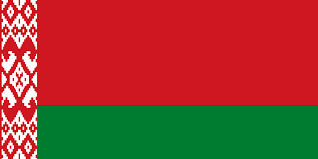
BELARUS
Travel Risk Overview
Belarus Travel Risk Overview
Introduction
Belarus is an Eastern European country located between Russia, Ukraine, Poland, Lithuania, and Latvia. Its capital, Minsk, is the main political, economic, and administrative centre. Other key cities include Brest, Grodno, Vitebsk, Mogilev, and Gomel.
In 2026, Belarus presents restricted and high-sensitivity travel conditions, shaped by its political environment, international relations, and regional security dynamics. While day-to-day conditions in major cities may appear stable, travel considerations are significantly influenced by political context, diplomatic limitations, and regional sanctions or restrictions affecting mobility and services.
Travel to Belarus requires careful assessment, strong situational awareness, and up-to-date advisory monitoring.
Country Overview
Capital: Minsk
Key Cities: Minsk, Brest, Grodno, Vitebsk, Gomel, Mogilev
Population: ~9.2 million
Language: Belarusian and Russian (Russian widely used in daily life)
Currency: Belarusian Ruble (BYN)
Belarus is a landlocked country in Eastern Europe with close geographic and political ties to Russia.
Travel & Entry
Passports
A valid passport is required for entry.
Visas
Visa policies vary depending on nationality and diplomatic relations
Some short-stay visa exemptions may exist under specific agreements
Entry conditions can change with limited notice
Consular support options may be restricted for some nationalities
Entry Considerations
Main international gateway: Minsk National Airport
Land borders with EU countries (Poland, Lithuania, Latvia) may be restricted or subject to enhanced controls
Entry and exit conditions may be influenced by geopolitical developments
Sanctions or diplomatic measures may affect travel routes and insurance validity
Local Travel
Overview
Domestic transport is functional in major areas but influenced by regional restrictions.
Road Travel
Driving is on the right-hand side
Main highways connect Minsk with regional cities and neighbouring borders
Road conditions are generally good on primary routes
Border-area travel may be restricted or closely monitored
Rail Travel
Rail network connects major cities and neighbouring countries
International rail connections may be limited depending on border policies
Services are generally reliable within the country
Public Transport
Urban transport systems operate in Minsk and other major cities
Buses and trams are widely used
Taxi services are available in urban areas
Ride-hailing availability may be more limited than in Western Europe
Air Travel
Minsk National Airport is the main international hub
International connectivity may be affected by airspace restrictions or airline routing changes
Flights and routes can change based on geopolitical conditions
Travel Risk Overview
Crime
Belarus generally presents a low to moderate crime-risk environment in everyday settings.
Petty crime may occur in urban areas, though not widespread
Violent crime affecting travellers is uncommon
Law enforcement presence is strong in public spaces
Standard urban precautions are recommended
Security Environment / Political Context
Belarus is classified as a high-sensitivity political environment for travellers.
Key points:
Political system is highly centralized
Public demonstrations may be restricted or heavily regulated
Security services presence may be more visible than in many European countries
Political developments can influence travel conditions rapidly
International relations may affect mobility and consular access
Civil Unrest
Public demonstrations are uncommon and often regulated
Large gatherings may be restricted or monitored
Political expression may be sensitive in certain contexts
Situational awareness is recommended at all times
Infrastructure & Health
Infrastructure is generally functional in urban areas:
Healthcare services available in major cities such as Minsk
Public utilities are stable in urban centres
Rural areas may have more limited services
Emergency response systems are structured but may vary in accessibility
Key considerations:
International insurance coverage may be restricted depending on policy conditions
Banking and financial services may be affected by external sanctions
Communications infrastructure is reliable in cities
Service access may differ significantly from EU standards
Key Considerations
Check all entry requirements and restrictions before travel
Ensure insurance coverage is valid for the destination
Avoid involvement in political activity or demonstrations
Be aware of potential limitations in consular assistance
Monitor diplomatic and travel advisory updates frequently
Allow flexibility for travel changes or disruptions
Is Belarus Safe to Travel?
Belarus is considered a generally stable but politically sensitive travel destination, where risk is driven less by crime and more by geopolitical, regulatory, and diplomatic factors.
Strengths include:
Low levels of street crime
Stable day-to-day conditions in major cities
Reliable urban infrastructure
Predictable internal order
Primary risks include:
Political and regulatory sensitivity
Restricted or changing travel conditions
Limited consular support in some cases
External sanctions affecting travel and services
Reduced flexibility in emergencies
Overall, Belarus is assessed as a restricted travel destination with high political sensitivity, requiring careful preparation and continuous monitoring.
Access to Real-Time Information
This overview reflects baseline conditions. Real-time monitoring is essential for:
Border entry and exit restrictions
Airspace and flight routing changes
Sanctions or diplomatic developments
Political or security advisories
Consular travel guidance updates

Travelling and need additional support?
Global Traveller provides real-time travel risk monitoring, 24/7 operational support and direct access to on-the-ground assistance, designed for individuals and organisations operating in complex environments.