
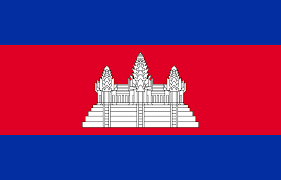
CAMBODIA
Travel Risk Overview
Cambodia Travel Risk Overview
Introduction
Cambodia is a Southeast Asian country bordered by Thailand, Laos, and Vietnam, with a coastline on the Gulf of Thailand. It is known for Angkor Wat, rich Khmer heritage, growing tourism, and rapidly developing urban centres. Key cities include Phnom Penh, Siem Reap, Sihanoukville, and Battambang.
In 2026, Cambodia presents a low to moderate travel risk environment, supported by a growing tourism sector and improving infrastructure. Most travel occurs safely in major destinations, though risks remain related to petty crime, road safety, uneven healthcare standards, scams in tourist areas, and seasonal flooding.
Country Overview
Capital: Phnom Penh
Key Cities: Phnom Penh, Siem Reap, Sihanoukville, Battambang
Population: ~17 million
Language: Khmer
Currency: Cambodian Riel (KHR), US Dollar widely used
Region: Southeast Asia
Travel & Entry
Passports
A valid passport is required for entry.
Visas
Many travellers can obtain e-visa or visa on arrival
Tourist and business visas widely available
Entry rules are generally straightforward
Entry Considerations
Main international airports: Phnom Penh, Siem Reap, Sihanoukville
Land border crossings with Thailand, Vietnam, and Laos are commonly used
Peak tourism periods may increase processing times
Ensure use of official visa channels only
Local Travel
Road Travel
Road conditions vary significantly by region
Major city routes improving, rural roads can be poor
Traffic discipline can be inconsistent
Road accidents are a notable travel risk
Public Transport
Buses connect major cities
Tuk-tuks widely used in urban/tourism zones
Ride-hailing apps available in larger cities
Rail services limited but developing
Air Travel
Strong domestic and regional flight network
Siem Reap and Phnom Penh are major gateways
Seasonal demand affects prices and schedules
Travel Risk Overview
Crime
Cambodia is a low to moderate crime-risk destination.
Petty theft and bag snatching can occur in cities
Tourist scams may occur in busy destinations
Violent crime affecting travellers is less common but possible
Standard precautions recommended, especially at night
Security Environment
Cambodia maintains a generally stable internal environment.
Key points:
No widespread internal conflict
Strong tourism security presence in major destinations
Localized disputes or protests may occasionally occur
Political environment is tightly managed
Civil Unrest
Demonstrations occasionally occur in Phnom Penh
Usually localized and limited in duration
Travellers should avoid protest areas
Infrastructure & Health
Infrastructure is improving but uneven:
Good hotel/tourism services in major areas
Healthcare quality better in Phnom Penh; limited elsewhere
Utilities reliable in cities, less consistent in rural areas
Flooding can disrupt roads during rainy season
Key considerations:
Medical evacuation insurance recommended
Road safety standards lower than many neighbouring destinations
Rural access may be slow during monsoon periods
Key Considerations
Use reputable transport providers, especially at night
Keep valuables secure in cities
Be cautious with unofficial tours or scams
Carry travel insurance with medical coverage
Allow flexibility during rainy season travel
Is Cambodia Safe to Travel?
Cambodia is considered a generally safe destination with moderate practical risks.
Strengths include:
Strong tourism experience in key destinations
Friendly hospitality sector
Good regional connectivity
Stable major tourism zones
Primary risks include:
Petty theft and scams
Road safety concerns
Uneven healthcare access
Seasonal flooding disruptions
Overall, Cambodia is assessed as a low to moderate-risk travel destination, suitable for tourism with sensible precautions.
Access to Real-Time Information
This overview reflects baseline conditions. Real-time monitoring is recommended for:
Flooding and monsoon conditions
Road and ferry disruptions
Political demonstrations in Phnom Penh
Flight schedule changes
Health advisories and regional outbreaks

Travelling and need additional support?
Global Traveller provides real-time travel risk monitoring, 24/7 operational support and direct access to on-the-ground assistance, designed for individuals and organisations operating in complex environments.