
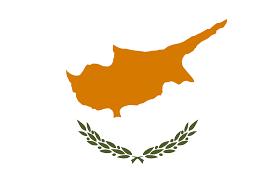
CYPRUS
Travel Risk Overview
Cyprus Travel Risk Overview
Introduction
Cyprus is an Eastern Mediterranean island country known for its tourism economy, historical heritage, and strategic location between Europe, the Middle East, and North Africa. Key cities include Nicosia, Limassol, Larnaca, Paphos, and Famagusta.
In 2026, Cyprus offers generally safe and stable travel conditions, supported by strong tourism infrastructure and well-developed public services. The main travel consideration is the political division of the island between the Republic of Cyprus and the Turkish-administered north, which affects movement and administrative procedures.
Travellers should remain aware of petty crime in tourist areas, seasonal congestion, and differences in governance between the two sides of the island.
Country Overview
Capital: Nicosia
Key Cities: Nicosia, Limassol, Larnaca, Paphos
Population: ~1.25 million
Language: Greek (south), Turkish (north), English widely spoken
Currency: Euro (EUR) in the south; Turkish Lira (TRY) in the north
Status: EU member state (southern part only)
Travel & Entry
Passports
A valid passport is required for most travellers.
Visas
Republic of Cyprus follows EU visa rules
Visa-free access for many nationalities for short stays
North Cyprus follows separate entry procedures (via Turkey or designated crossings)
Entry Considerations
Main entry points: Larnaca and Paphos airports
Ferry connections limited compared to air travel
Crossing points exist between north and south (regulated checkpoints)
Entry into the north via non-official ports may create legal or administrative complications in the south
Local Travel
Road Travel
Driving is on the left-hand side
Road infrastructure is well developed
High-quality highways connect major cities
Traffic congestion occurs in urban centres during peak season
Public Transport
Bus networks operate in major cities and tourist regions
Services are more limited in rural areas
Taxis widely available
Ride-hailing services operate in larger cities
Air Travel
Larnaca and Paphos airports serve as main international hubs
Strong seasonal connectivity to Europe and the Middle East
Travel Risk Overview
Crime
Cyprus is generally a low crime-risk destination.
Petty theft may occur in tourist areas
Violent crime affecting travellers is rare
Standard precautions recommended in busy nightlife and beach zones
Security Environment / Political Context
Cyprus maintains a stable environment overall.
Key points:
Island remains politically divided
No active armed conflict
Security conditions are stable in both regions
Administrative differences exist between north and south
Civil Unrest
Occasional demonstrations in major cities
Most are peaceful and short-lived
Limited disruption to tourism
Infrastructure & Health
Strong healthcare system in the south
Good infrastructure and utilities
Northern region has more variable service standards
Emergency services are reliable in most populated areas
Key Considerations
Be aware of rules when crossing between north and south
Use licensed taxis or official transport services
Monitor seasonal tourism congestion
Ensure travel insurance covers both parts of the island if visiting both
Is Cyprus Safe to Travel?
Cyprus is considered a safe and stable destination for tourism and business travel.
Strengths include:
Strong tourism infrastructure
Low violent crime levels
Good healthcare and transport systems
Primary risks include:
Political division of the island
Petty crime in tourist zones
Seasonal congestion
Access to Real-Time Information
This overview reflects baseline conditions. Real-time monitoring is recommended for:
Crossing point status between north and south Cyprus
Seasonal congestion at airports and resorts
Demonstrations in Nicosia or major urban centres
Weather-related travel disruptions (summer heat / winter storms)
Maritime or regional Eastern Mediterranean developments
Transport or airline schedule changes during peak season

Travelling and need additional support?
Global Traveller provides real-time travel risk monitoring, 24/7 operational support and direct access to on-the-ground assistance, designed for individuals and organisations operating in complex environments.