
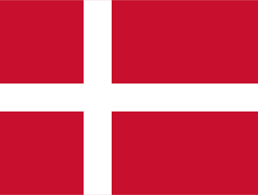
DENMARK
Travel Risk Overview
Denamark Travel Risk Overview
Introduction
Denmark is a highly developed Nordic country known for its strong governance, high quality of life, advanced infrastructure, and strategic position linking continental Europe with Scandinavia. It is an important centre for shipping, renewable energy, pharmaceuticals, technology, and international business. Key cities include Copenhagen, Aarhus, Odense, Aalborg, and Esbjerg.
In 2026, Denmark offers very safe and stable travel conditions, supported by efficient public services, modern transport systems, and strong rule of law. Travellers should remain aware of petty crime in urban tourist areas, occasional transport disruption, severe winter weather, and localized demonstrations.
Travel across Denmark is typically smooth, efficient, and highly reliable.
Country Overview
Capital: Copenhagen
Key Cities: Copenhagen, Aarhus, Odense, Aalborg, Esbjerg
Population: ~6 million
Language: Danish
Currency: Danish Krone (DKK)
Status: EU member state (not Eurozone)
Denmark consists of the Jutland peninsula and numerous islands, with excellent links to Sweden and Germany.
Travel & Entry
Passports
A valid passport is required for non-EU travellers.
Visas
Denmark is part of the Schengen Area:
Short stays: Schengen visa or visa-free depending on nationality
EU/EEA citizens: Free movement
Long stays: National permit or residence process required
Entry ConsiderationsMain international gateway: Copenhagen Airport
Other airports include Billund, Aarhus, Aalborg
Border controls may be applied periodically on selected routes
Ferry and rail access to Sweden, Norway, and Germany is strong
Local Travel
Overview
Denmark has one of Europe’s most efficient transport systems.
Road Travel
Driving is on the right-hand side
Excellent road quality and clear signage
Congestion possible in Copenhagen during peak periods
Bridges/tunnels connect major islands
Rail Travel
Reliable and punctual rail network
Strong domestic intercity links
International rail connections to Germany and Sweden
Metro and suburban rail strong in Copenhagen
Public Transport
Extensive buses, metro, trains, and ferries
High-quality cycling infrastructure nationwide
Taxis and ride-hailing available in cities
Digital ticketing widely used
Air Travel
Copenhagen Airport is a major Nordic hub
Strong European and long-haul connectivity
Weather can occasionally affect winter schedules
Travel Risk Overview
Crime
Denmark is generally a low crime-risk destination.
Pickpocketing may occur in tourist areas, nightlife districts, and stations
Bicycle theft is relatively common locally
Violent crime affecting travellers is uncommon
Overall personal safety standards are high
Security Environment / Terrorism
Denmark maintains a strong internal security environment.
Key points:
Overall risk level is low
A general Western Europe terrorism background threat exists, though likelihood remains low
Security presence may be visible at airports, government buildings, and events
Emergency response capabilities are strong
Civil Unrest
Demonstrations occur occasionally, mainly in Copenhagen
Most protests are peaceful and well managed
Labour actions may rarely affect transport services
Large-scale unrest is uncommon
Travellers should avoid protest areas as a precaution.
Infrastructure & Health
Denmark has excellent infrastructure and healthcare systems:
High-quality public healthcare
Reliable utilities and communications
Strong emergency services
Excellent accessibility and urban planning
Key considerations:
Winter storms, wind, or snow may disrupt transport
High travel and accommodation costs
Seasonal tourism demand in Copenhagen during summer
Key Considerations
Secure valuables in crowded tourist areas
Use caution with bicycles and cycle lanes in cities
Monitor winter weather and ferry schedules
Expect relatively high prices
Use official taxis or public transport apps
Carry valid ID when travelling internationally
Is Slovakia Safe to Travel?
Denmark is considered a very safe and stable destination for tourism and business travel.
Strengths include:
Excellent public safety
Strong healthcare and infrastructure
Reliable transport systems
Stable political environment
Primary risks include:
Petty theft in busy urban areas
Winter weather disruptions
High travel costs
Minor protest or transport disruptions
Overall, Denmark is assessed as a low-risk travel destination, safe with standard precautions.
Access to Real-Time Information
This overview reflects baseline conditions. Real-time monitoring is recommended for:
Winter weather and storm alerts
Rail or airport disruptions
Demonstrations in Copenhagen
Ferry and bridge traffic conditions
Peak tourism congestion updates

Travelling and need additional support?
Global Traveller provides real-time travel risk monitoring, 24/7 operational support and direct access to on-the-ground assistance, designed for individuals and organisations operating in complex environments.