
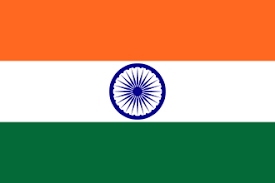
INDIA
Travel Risk Overview
India Travel Risk Overview
Introduction
India is one of the world’s largest and most diverse countries, spanning South Asia with vast geographic, cultural, linguistic, and economic variation. It is known for major metropolitan centres, historic landmarks, religious tourism, business hubs, beaches, mountains, and extensive domestic travel networks. Key cities include New Delhi, Mumbai, Bengaluru, Chennai, Kolkata, Hyderabad, and Jaipur.
In 2026, India presents a low to moderate travel risk environment overall, though conditions vary significantly by state and city. Major strengths include extensive connectivity, strong hospitality capacity, and vibrant tourism infrastructure. Key travel considerations relate to traffic safety, crowding, petty crime, scams, environmental conditions, health preparedness, and regional sensitivity in some areas.
Country Overview
Capital: New Delhi
Key Cities: Mumbai, New Delhi, Bengaluru, Chennai, Kolkata, Hyderabad, Jaipur
Population: ~1.4+ billion
Language: Hindi and English widely used nationally, many regional languages
Currency: Indian Rupee (INR)
Region: South Asia
India spans Himalayan regions, deserts, plains, tropical coasts, and major megacities.
Travel & Entry
Passports
A valid passport is required for entry.
Visas
Many travellers can use e-visa systems depending on nationality and purpose
Tourist, business, medical, and conference visa categories commonly available
Entry rules may vary by nationality and region visited
Some protected or restricted areas may require additional permits
Entry Considerations
Major gateways: Delhi, Mumbai, Bengaluru, Chennai, Hyderabad, Kolkata
Strong international connectivity worldwide
Land borders with several neighbours have varying procedures
Immigration processing can be busy during peak periods
Local Travel
Road Travel
Extensive road network but variable quality
Traffic congestion is significant in many cities
Road safety standards vary; defensive caution essential
Long travel times common despite short distances in urban areas
Public Transport
Large rail network including long-distance and metro systems
Metro systems in major cities are often efficient
Domestic buses widely used
Ride-hailing apps common in urban centres
Air Travel
One of the world’s largest domestic aviation markets
Frequent flights between major cities
Strong low-cost carrier presence
Weather and congestion can affect schedules
Travel Risk Overview
Crime
India is generally a low to moderate crime-risk destination, varying by location.
Petty theft and scams may occur in crowded tourist areas
Taxi/transport overcharging can occur
Violent crime against tourists is not the norm but precautions are important
Solo travellers should use heightened situational awareness, especially at night
Security Environment / Regional Context
India is broadly stable but regionally varied.
Key points:
Major tourist/business cities function normally
Some border or politically sensitive regions may have added restrictions or advisories
Security presence visible in transport hubs and major cities
Large events may increase controls and screening
Civil Unrest
Demonstrations and strikes can occur in cities
Most are localized but may affect transport
Large gatherings can develop quickly in politically active areas
Infrastructure & Health
Infrastructure quality varies widely:
Excellent hotels and private healthcare in major cities
Rural infrastructure can be limited
Utilities reliable in many urban centres, less so in some areas
Air quality can be poor seasonally in some cities
Key considerations:
Food/water hygiene planning recommended
Heatwaves and monsoon conditions can disrupt travel
Medical insurance recommended, especially with private hospital access
Key Considerations
Use reputable transport and pre-book where possible
Build extra time into all city travel plans
Respect local customs and dress norms where relevant
Monitor weather (monsoon, heat, fog) by season
Verify permits for restricted regions before travel
Is India Safe to Travel?
India is considered a generally viable destination with varied risk by region.
Strengths include:
Massive tourism and business infrastructure
Strong domestic connectivity
Rich cultural and geographic diversity
Good private healthcare in major cities
Primary risks include:
Traffic and road safety
Petty scams/theft in busy areas
Pollution / heat / monsoon disruptions
Regional variability in infrastructure and security
Overall, India is assessed as a low to moderate-risk travel destination, suitable for tourism and business with planning and situational awareness.
Access to Real-Time Information
This overview reflects baseline conditions. Real-time monitoring is recommended for:
Weather (monsoon, cyclones, heatwaves, fog)
Rail / flight delays
Demonstrations or transport strikes
Air quality in major cities
Regional permit or advisory changes

Travelling and need additional support?
Global Traveller provides real-time travel risk monitoring, 24/7 operational support and direct access to on-the-ground assistance, designed for individuals and organisations operating in complex environments.