
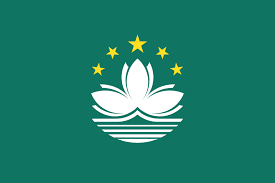
MACAU
Travel Risk Overview
Macau Travel Risk Overview
Introduction
Macau is a Special Administrative Region (SAR) of China located on the southern coast, next to Hong Kong. It is known as a global gambling and tourism hub, with a blend of Portuguese colonial heritage, modern resorts, and dense urban development. Key areas include the Macau Peninsula, Taipa, and Cotai Strip.
In 2026, Macau presents a very low travel risk environment, with strong public safety, efficient infrastructure, and heavy regulation of tourism areas. Main considerations are typhoon exposure, crowd density in casino zones, and occasional weather-related disruptions.
Territory Overview
Status: Special Administrative Region of China
Key Areas: Macau Peninsula, Taipa, Cotai
Population: ~700,000
Language: Cantonese and Portuguese (English widely used in tourism areas)
Currency: Macanese Pataca (MOP), HKD widely accepted
Region: East Asia
Macau is one of the most densely populated regions in the world.
Travel & Entry
Passports
A valid passport is required for entry.
Visas
Many nationalities can enter visa-free for short stays
Entry is generally straightforward
Immigration process is efficient and tourism-focused
Entry Considerations
Main gateway: Macau International Airport
Also accessible via land borders from Zhuhai (China)
Ferry connections to Hong Kong available
Entry procedures are quick and well-organized
Local Travel
Road Travel
Very compact urban layout
Heavy congestion in casino and tourism districts
Well-maintained road infrastructure
Limited need for private vehicles
Public Transport
Extensive bus network covers all major areas
Taxis widely available
Walking is common due to small geographic size
No metro system, but transport is efficient
Air Travel
Small but functional international airport
Strong regional connectivity
Weather can occasionally affect operations
Travel Risk Overview
Crime
Macau is a very low crime-risk destination.
Violent crime is extremely rare
Petty theft is uncommon
Strong policing in tourism and casino areas
Highly controlled environment
Security Environment
Macau is highly stable.
Key points:
No internal conflict
Strong governance and regulation
Heavy security presence in tourist and gaming zones
Public order is strictly maintained
Civil Unrest
Public demonstrations are rare
Events are tightly controlled if they occur
Minimal impact on tourists
Infrastructure & Health
Infrastructure is highly developed:
Good healthcare facilities
Excellent tourism infrastructure (hotels, casinos, services)
Reliable utilities and transport
Strong emergency response systems
Key considerations:
High humidity and heat in summer
Typhoon exposure during seasonal storms
Very high visitor density in entertainment areas
Limited land area increases congestion
Key Considerations
Expect very crowded casino and tourist zones
Monitor typhoon warnings during storm season
Use walking or buses for short distances
Be mindful of high spending environments in gaming areas
Follow local regulations strictly
Is Macau Safe to Travel?
Macau is considered a very safe, highly controlled travel destination.
Strengths include:
Extremely low crime rates
Strong public safety systems
Excellent tourism infrastructure
Efficient transport and services
Primary risks include:
Typhoons and extreme weather
High crowd density in entertainment districts
Limited space and congestion
Seasonal travel disruptions
Overall, Macau is assessed as a very low-risk travel destination, ideal for tourism, short stays, and transit.
Access to Real-Time Information
This overview reflects baseline conditions. Real-time monitoring is recommended for:
Typhoon and storm alerts
Ferry and airport disruptions (especially Hong Kong–Macau routes)
Casino district crowd levels during peak holidays
Border crossing wait times (Zhuhai entry)
Weather-related transport delays

Travelling and need additional support?
Global Traveller provides real-time travel risk monitoring, 24/7 operational support and direct access to on-the-ground assistance, designed for individuals and organisations operating in complex environments.