
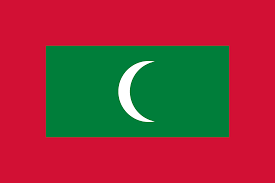
MALDIVES
Travel Risk Overview
Maldives Travel Risk Overview
Introduction
The Maldives is an island nation in the Indian Ocean, southwest of India and Sri Lanka. It is made up of over 1,000 coral islands grouped into atolls, and is globally known for luxury tourism, diving, marine ecosystems, and resort-based travel. Key areas include Malé (capital), Hulhumalé, and resort islands across various atolls.
In 2026, the Maldives presents a low travel risk environment, supported by a stable political system, strong tourism security, and well-managed resort infrastructure. The main risks are environmental and logistical, including weather events, sea travel dependency, and limited medical capacity outside the capital.
Country Overview
Capital: Malé
Key Areas: Malé, Hulhumalé, North/South Malé Atoll, resort islands nationwide
Population: ~520,000
Language: Dhivehi
Currency: Maldivian Rufiyaa (MVR), US Dollar widely accepted
Region: South Asia / Indian Ocean
The country is geographically dispersed across atolls, making sea and air transport essential.
Travel & Entry
Passports
A valid passport is required for entry.
Visas
Tourist visa on arrival is generally available for many nationalities
Short stays are typically straightforward
Entry conditions may require proof of accommodation and return travel
Entry Considerations
Main entry point: Velana International Airport (Malé)
Transfers to resorts are typically via speedboat or seaplane
Immigration procedures are generally efficient
Weather may affect transfer schedules
Local Travel
Road Travel
Extremely limited due to small land area
Transport mainly by foot, bicycle, or small vehicles in Malé
Sea Travel
Primary mode of inter-island transport
Speedboats and ferries connect islands and resorts
Sea conditions can affect travel reliability
Safety standards vary depending on operator
Air Travel
Seaplanes and domestic flights connect distant atolls
Weather-dependent scheduling common
Transfers are often coordinated by resorts
Travel Risk Overview
Crime
The Maldives is a very low crime-risk destination, especially within resorts.
Violent crime is rare
Petty theft is uncommon in resort environments
Malé may have slightly higher petty crime than resort islands
Tourist areas are generally well monitored
Security Environment
The Maldives is generally stable.
Key points:
No widespread internal conflict
Strong tourism security framework
Political activity generally limited and localized
Resort islands maintain controlled environments
Civil Unrest
Occasional demonstrations may occur in Malé
Tourist areas and resorts are rarely affected
Events are typically localized and short-lived
Infrastructure & Health
Infrastructure is highly tourism-focused:
Excellent resort medical services
Limited advanced healthcare outside Malé
Emergency evacuation may be required for serious cases
Utilities and services are strong in resort zones
Key considerations:
Weather and sea conditions can disrupt transport
Limited hospital capacity outside the capital
Sun exposure and marine safety are key health factors
Key Considerations
Monitor weather and sea transfer schedules
Ensure travel insurance includes medical evacuation
Book transfers in advance through resorts
Be aware of alcohol restrictions outside resorts
Follow marine safety guidelines for water activities
Is the Maldives Safe to Travel?
The Maldives is considered a very safe destination for tourists, particularly in resort areas.
Strengths include:
Extremely low violent crime levels
Highly controlled tourism environments
Strong hospitality infrastructure
Safe resort-based travel system
Primary risks include:
Weather-related disruptions
Limited medical infrastructure outside Malé
Dependency on sea/air transfers
Environmental exposure (sun, marine conditions)
Overall, the Maldives is assessed as a low-risk travel destination, ideal for leisure tourism with standard travel preparation.
Access to Real-Time Information
This overview reflects baseline conditions. Real-time monitoring is recommended for:
Sea and weather conditions affecting transfers
Flight schedule changes into Malé
Resort transfer delays (speedboat/seaplane)
Storm or monsoon activity in the region
Medical evacuation logistics if needed

Travelling and need additional support?
Global Traveller provides real-time travel risk monitoring, 24/7 operational support and direct access to on-the-ground assistance, designed for individuals and organisations operating in complex environments.