
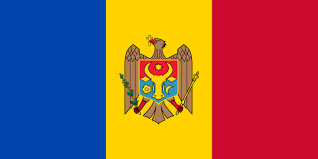
MOLDOVA
Travel Risk Overview
Moldova Travel Risk Overview
Introduction
Moldova is a landlocked Eastern European country situated between Romania and Ukraine. It is one of Europe’s least visited destinations but is increasingly recognized for its wine industry, rural tourism, and cultural heritage. Key locations include Chișinău, Tiraspol (Transnistria region), Bălți, and Orhei.
In 2026, Moldova offers generally stable but developing travel conditions, supported by basic infrastructure and a calm urban environment. Travellers should remain aware of petty crime in urban areas, limited infrastructure outside the capital, regional geopolitical sensitivities (particularly near Transnistria and the Ukrainian border), and seasonal weather disruptions.
Travel is generally straightforward in main areas but more limited in rural regions.
Country Overview
Capital: Chișinău
Key Cities: Chișinău, Bălți, Tiraspol, Orhei
Population: ~2.5 million
Language: Romanian (Moldovan), Russian widely spoken
Currency: Moldovan Leu (MDL)
Moldova borders Romania and Ukraine and includes the breakaway region of Transnistria, which operates under a separate de facto administration.
Travel & Entry
Passports
A valid passport is required for most travellers.
Visas
Moldova is not part of the EU or Schengen Area:
Visa-free entry for many nationalities for short stays
EU citizens can enter without a visa
Longer stays require registration or permits
Entry Considerations
Main international gateway: Chișinău International Airport
Land borders with Romania and Ukraine are commonly used
Entry into Transnistria is possible but operates under separate administrative controls
Border processing is generally efficient
Local Travel
Overview
Road transport is the main domestic travel mode.
Road Travel
Driving is on the right-hand side
Main roads connect Chișinău with Romania and regional towns
Secondary roads may be uneven or poorly maintained
Night driving in rural areas is not recommended
Rail Travel
Limited rail network
Cross-border rail links exist with Romania and Ukraine
Slower and less commonly used than road transport
Public Transport
Intercity minibuses and buses widely used
Urban transport available in Chișinău
Taxis are inexpensive and widely available
Ride-hailing services are limited
Air Travel
Chișinău Airport is the main hub
Limited international connectivity compared to EU neighbours
Regional flights subject to seasonal schedules
Travel Risk Overview
Crime
Moldova is generally a low to moderate crime-risk destination.
Petty theft may occur in urban areas and transport hubs
Opportunistic crime is the main risk for visitors
Violent crime affecting travellers is uncommon
Standard precautions are advised in cities
Security Environment / Terrorism
Moldova maintains a generally calm internal security environment.
Key points:
Overall risk level is low
No significant terrorism threat affecting tourists
Security presence is limited but functional
Stability is influenced by regional geopolitical dynamics
Civil Unrest
Occasional demonstrations occur in Chișinău
Most protests are peaceful but may cause traffic disruption
Political tensions can arise periodically
Large-scale unrest is uncommon
Travellers should avoid demonstration areas as a precaution.
Infrastructure & Health
Infrastructure is developing:
Healthcare available in Chișinău; private care preferred for visitors
Utilities generally stable in urban areas
Rural infrastructure can be limited
Emergency response capacity varies outside the capital
Key considerations:
Road conditions vary significantly outside main routes
Winter weather may affect travel
Limited transport redundancy in rural regions
Regional disparities in service quality
Key Considerations
Be cautious when travelling near border regions
Avoid non-essential travel to Transnistria without local guidance
Use licensed taxis or trusted transport providers
Secure belongings in urban areas
Allow extra travel time on rural routes
Monitor regional developments near Ukraine border
Is Moldova Safe to Travel?
Moldova is considered a generally safe but developing destination for tourism and business travel.
Strengths include:
Low levels of violent crime
Calm urban environment
Cultural and wine tourism appeal
Low tourist congestion
Primary risks include:
Petty crime in cities
Infrastructure limitations
Regional geopolitical sensitivities
Border area complexity (Transnistria / Ukraine proximity)
Overall, Moldova is assessed as a low to moderate-risk travel destination, safe with standard precautions and regional awareness.
Access to Real-Time Information
This overview reflects baseline conditions. Real-time monitoring is recommended for:
Border area developments
Regional geopolitical updates
Transport disruptions
Weather-related travel impacts
Demonstrations in Chișinău

Travelling and need additional support?
Global Traveller provides real-time travel risk monitoring, 24/7 operational support and direct access to on-the-ground assistance, designed for individuals and organisations operating in complex environments.