
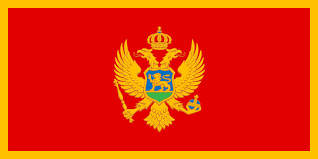
MONTENEGRO
Travel Risk Overview
Montenegro Travel Risk Overview
Introduction
Montenegro is a Southeast European Adriatic country known for its coastal tourism, mountainous interior, and growing role as a regional travel and investment destination. Despite its small size, Montenegro combines beach resorts, historic towns, and inland adventure tourism. Key locations include Podgorica, Budva, Kotor, Tivat, Herceg Novi, and Nikšić.
In 2026, Montenegro offers generally safe and manageable travel conditions, supported by a growing tourism sector and improving infrastructure. Travellers should remain aware of petty crime in tourist areas, seasonal congestion along the coast, road safety concerns on mountain routes, wildfire or heat risks in summer, and winter weather in inland regions.
Travel across Montenegro is generally straightforward, though road capacity can be limited during peak tourism seasons.
Country Overview
Capital: Podgorica
Key Cities: Podgorica, Budva, Kotor, Tivat, Herceg Novi, Nikšić
Population: ~620,000
Language: Montenegrin (Serbian, Bosnian, Croatian also widely understood)
Currency: Euro (EUR) (used unilaterally)
Montenegro borders Croatia, Bosnia & Herzegovina, Serbia, Kosovo, and Albania, with a coastline on the Adriatic Sea.
Travel & Entry
Passports
A valid passport is required for most travellers.
Visas
Montenegro is not part of the EU or Schengen Area:
Visa-free entry for many nationalities for short stays
EU/EEA citizens generally enter without a visa
Longer stays require appropriate permits
Entry ConsiderationsMain airports: Podgorica and Tivat
Tivat handles significant seasonal tourism traffic
Land borders may experience delays during summer peak season
Entry requirements should be checked before travel
Local Travel
Overview
Road transport is the main domestic travel mode.
Road Travel
Driving is on the right-hand side
Coastal roads can become heavily congested in summer
Mountain roads may be narrow, winding, and slower than expected
Driving standards vary; caution advised
Rail Travel
Limited rail network
Main route connects Podgorica with Belgrade and Bar
Scenic but limited in national coverage
Public Transport
Intercity buses are widely used
Urban bus services available in main cities
Taxis available in tourist centres
Ride-hailing options vary
Air Travel
Podgorica and Tivat are the main airports
Strong seasonal connectivity to Europe
Limited domestic aviation market due to country size
Sea Travel
Coastal marinas and ferry links available
Maritime tourism significant in summer
Weather may affect smaller vessel operations
Travel Risk Overview
Crime
Montenegro is generally a low to moderate crime-risk destination.
Petty theft may occur in beaches, resorts, and crowded tourist zones
Opportunistic crime is the primary concern for travellers
Violent crime affecting visitors is relatively uncommon
Standard precautions advised in nightlife areas
Security Environment / Terrorism
Montenegro maintains a generally stable internal security environment.
Key points:
Overall risk level is low
No significant widespread threat affecting most travellers
Security presence may increase during major events or summer peaks
Emergency services are functional, strongest in urban centres
Civil Unrest
Demonstrations occasionally occur in Podgorica
Most protests are peaceful and localized
Political gatherings may cause temporary traffic disruption
Large-scale unrest is uncommon
Travellers should avoid active protest areas as a precaution.
Infrastructure & Health
Infrastructure is improving but varies by region:
Healthcare available in Podgorica and larger towns; private care often preferred by visitors
Reliable utilities in main urban and tourism zones
Coastal infrastructure under pressure during peak summer months
Rural/mountain areas have more limited services
Key considerations:
Summer heatwaves and wildfire risk
Heavy traffic on coastal routes during tourism season
Winter snow can affect inland roads
Emergency access slower in mountainous areas
Key Considerations
Book coastal accommodation and transport early in summer
Secure belongings in tourist zones
Drive cautiously on mountain roads and at night
Monitor wildfire or heat alerts in summer
Allow extra travel time on coastal roads
Use licensed taxis or trusted providers
Is Iceland Safe to Travel?
Montenegro is considered a generally safe destination for tourism and business travel.
Strengths include:
Attractive Adriatic tourism infrastructure
Low levels of violent crime against visitors
Compact geography and accessible destinations
Growing transport and hospitality sector
Primary risks include:
Petty theft in tourist areas
Summer congestion and road delays
Mountain driving hazards
Seasonal weather risks (heat, wildfire, snow inland)
Overall, Montenegro is assessed as a low to moderate-risk travel destination, safe with standard precautions and seasonal planning.
Access to Real-Time Information
This overview reflects baseline conditions. Real-time monitoring is recommended for:
Coastal traffic congestion
Border crossing delays in summer
Wildfire and heatwave alerts
Winter inland road conditions
Demonstrations in Podgorica
Airport or ferry disruptions

Travelling and need additional support?
Global Traveller provides real-time travel risk monitoring, 24/7 operational support and direct access to on-the-ground assistance, designed for individuals and organisations operating in complex environments.