
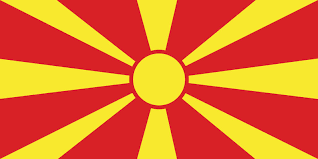
NORTH MACEDONIA
Travel Risk Overview
North Macedonia Travel Risk Overview
Introduction
North Macedonia is a Southeast European Balkan country known for its cultural heritage, mountainous landscapes, and developing tourism sector. It sits strategically between Greece, Albania, Bulgaria, Serbia, and Kosovo. Key cities include Skopje, Bitola, Ohrid, Tetovo, and Kumanovo.
In 2026, North Macedonia offers generally stable and manageable travel conditions, supported by improving infrastructure and a growing tourism economy. Travellers should remain aware of petty crime in urban areas, road safety issues, seasonal weather impacts, and occasional localized political demonstrations.
Travel within the country is generally straightforward, though infrastructure quality varies between regions.
Country Overview
Capital: Skopje
Key Cities: Skopje, Bitola, Ohrid, Tetovo, Kumanovo
Population: ~1.8 million
Language: Macedonian (Albanian widely spoken in some regions)
Currency: Macedonian Denar (MKD)
North Macedonia is a landlocked Balkan state with strong cultural and historical links to neighbouring countries.
Travel & Entry
Passports
A valid passport is required for most travellers.
Visas
North Macedonia is not part of the EU or Schengen Area:
Visa-free entry for many nationalities for short stays
EU/EEA citizens generally enter without a visa
Longer stays require residence permits or formal approval
Entry ConsiderationsMain international gateway: Skopje International Airport
Secondary airport: Ohrid St. Paul the Apostle Airport (seasonal traffic)
Land borders with Greece, Albania, Kosovo, Serbia, and Bulgaria are commonly used
Border processing is generally efficient but may slow during peak travel periods
Local Travel
Overview
Road travel is the primary means of transport within North Macedonia.
Road Travel
Driving is on the right-hand side
Main highways connect Skopje with neighbouring capitals
Rural and mountain roads may be narrow or uneven
Winter snow and ice can impact driving conditions
Rail Travel
Limited rail network
Services mainly connect Skopje with regional towns and neighbouring countries
Less reliable and slower compared to road transport
Public Transport
Intercity buses are widely used and generally reliable
Urban buses operate in Skopje and major towns
Taxis are widely available and relatively inexpensive
Ride-hailing availability is limited compared to Western Europe
Air Travel
Skopje International Airport is the main hub
Ohrid Airport operates seasonally, mainly for tourism
Limited domestic aviation due to country size
Travel Risk Overview
Crime
North Macedonia is generally a low to moderate crime-risk destination.
Petty theft may occur in busy city centres, markets, and transport hubs
Opportunistic crime is the most common risk for travellers
Violent crime affecting visitors is uncommon
Standard precautions are recommended in urban areas
Security Environment / Terrorism
North Macedonia maintains a generally stable security environment.
Key points:
Overall risk level is low
No widespread terrorism threat affecting visitors
Security presence may increase during political events or public gatherings
Emergency services are functional, particularly in urban areas
Civil Unrest
Occasional demonstrations occur in Skopje
Most protests are peaceful but may disrupt traffic
Political and ethnic sensitivities can lead to localized tensions
Large-scale unrest is uncommon
Travellers should avoid demonstration areas as a precaution.
Infrastructure & Health
Infrastructure is developing but uneven:
Healthcare available in Skopje and larger cities; private facilities often preferred
Utilities and communications are generally reliable in urban areas
Rural infrastructure may be less developed
Emergency response is stronger in cities
Key considerations:
Winter weather may affect road travel in mountainous areas
Road conditions vary outside major highways
Occasional power or service interruptions in rural regions
Summer tourism increases traffic near Lake Ohrid
Key Considerations
Drive cautiously on rural and mountain roads
Secure belongings in crowded city areas
Allow extra travel time on intercity routes
Monitor winter weather conditions
Use licensed taxis or reputable transport providers
Avoid active protest areas
Is North Macedonia Safe to Travel?
North Macedonia is considered a generally safe destination for tourism and business travel.
Strengths include:
Friendly visitor environment
Low levels of violent crime
Affordable travel and accommodation
Improving tourism infrastructure
Primary risks include:
Petty crime in urban areas
Variable road conditions
Winter driving hazards
Occasional political demonstrations
Overall, North Macedonia is assessed as a low to moderate-risk travel destination, safe with standard precautions and situational awareness.
Access to Real-Time Information
This overview reflects baseline conditions. Real-time monitoring is recommended for:
Winter road and weather conditions
Traffic congestion near Skopje and Ohrid
Demonstrations in urban areas
Border crossing delays
Seasonal tourism pressure around Lake Ohrid

Travelling and need additional support?
Global Traveller provides real-time travel risk monitoring, 24/7 operational support and direct access to on-the-ground assistance, designed for individuals and organisations operating in complex environments.