
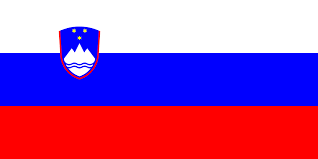
SLOVENIA
Travel Risk Overview
Slovenia Travel Risk Overview
Introduction
Slovenia is a highly developed Central European country known for its strong infrastructure, political stability, alpine and Adriatic landscapes, and growing tourism and business sectors. Strategically located between Italy, Austria, Hungary, and the Balkans, Slovenia serves as an efficient regional gateway for trade and travel. Key cities include Ljubljana, Maribor, Koper, and Celje.
In 2026, Slovenia offers very safe and stable travel conditions, supported by efficient public services, modern transport networks, and strong governance. Travellers should remain aware of petty crime in tourist areas, seasonal road congestion, alpine weather risks, and occasional transport disruptions.
Travel across Slovenia is generally smooth, well organised, and efficient.
Country Overview
Capital: Ljubljana
Key Cities: Ljubljana, Maribor, Koper, Celje, Kranj
Population: ~2.1 million
Language: Slovenian
Currency: Euro (EUR)
Status: EU and Schengen member state
Slovenia combines alpine terrain, forests, lakes, and a short Adriatic coastline, making it both a transit hub and tourism destination.
Travel & Entry
Passports
A valid passport is required for non-EU travellers.
Visas
Slovenia is part of the Schengen Area:
Short stays: Schengen visa or visa-free depending on nationality
EU/EEA citizens: Free movement
Long stays: National visa or residence permit required
Entry ConsiderationsMain international gateway: Ljubljana Jože Pučnik Airport
Easy land access from Italy, Austria, Croatia, and Hungary
Border procedures are generally seamless within Schengen
Summer and holiday traffic may increase transit delays
Local Travel
Overview
Slovenia has a reliable and modern transport system, especially for road travel.
Road Travel
Driving is on the right-hand side
Excellent motorway network
Toll/vignette system applies on highways
Seasonal congestion common on routes toward Croatia and coastal areas
Rail Travel
Rail network connects major cities and neighbouring countries
Reliable but slower than road travel in some areas
International rail links to Austria, Croatia, Hungary, and Italy
Public Transport
Urban buses available in Ljubljana and other cities
Regional bus services widely used
Taxis and ride-hailing options available
Air Travel
Ljubljana is the primary airport
Additional nearby access through Venice, Zagreb, Trieste, and Vienna airports
Good European connectivity
Travel Risk Overview
Crime
Slovenia is generally a low crime-risk destination.
Petty theft may occur in tourist zones, stations, and city centres
Opportunistic theft is the primary concern for visitors
Violent crime affecting travellers is rare
Overall personal safety standards are high
Security Environment / Terrorism
Slovenia maintains a stable internal security environment.
Key points:
Overall risk level is low
A general European-level background terrorism threat exists, though likelihood remains low
Security measures are discreet but effective
Emergency response capabilities are strong
Civil Unrest
Demonstrations occasionally occur in Ljubljana
Most protests are peaceful and localized
Labour actions may rarely affect transport or services
Large-scale unrest is uncommon
Travellers should avoid protest areas as a precaution.
Infrastructure & Health
Slovenia has strong infrastructure and healthcare systems:
Good public healthcare and private medical options
Reliable utilities and communications
Strong road maintenance and emergency services
High-quality tourism facilities
Key considerations:
Snow and ice may affect winter travel in alpine areas
Hiking and outdoor risks exist in mountain regions
Summer congestion can impact border and motorway travel
Limited public transport frequency in remote areas
Key Considerations
Secure belongings in busy tourist areas
Purchase required motorway vignette before driving highways
Monitor mountain weather if hiking or skiing
Expect delays during summer border transit periods
Use licensed taxis or official transport services
Carry suitable winter equipment when driving in snow season
Is Slovenia Safe to Travel?
Slovenia is considered a very safe and stable destination for tourism and business travel.
Strengths include:
High public safety standards
Excellent road infrastructure
Stable political environment
Strong healthcare and emergency services
Primary risks include:
Petty theft in tourist areas
Seasonal traffic congestion
Alpine weather hazards
Minor transport disruptions
Overall, Slovenia is assessed as a low-risk travel destination, safe with standard precautions and seasonal outdoor awareness.
Access to Real-Time Information
This overview reflects baseline conditions. Real-time monitoring is recommended for:
Winter weather and mountain conditions
Summer motorway congestion
Border crossing delays during peak season
Rail or airport disruptions
Local demonstrations in Ljubljana

Travelling and need additional support?
Global Traveller provides real-time travel risk monitoring, 24/7 operational support and direct access to on-the-ground assistance, designed for individuals and organisations operating in complex environments.