
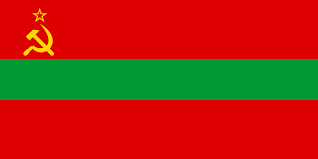
TRANSNISTRIA
Travel Risk Overview
Transnistria Travel Risk Overview
(Special Administrative / De Facto Region)
Introduction
Transnistria is a breakaway territory located within the internationally recognized borders of Moldova, along its eastern border with Ukraine. It operates as a de facto self-governing entity, though it is not recognized as an independent state by most of the international community.
The region has its own administrative structures, security forces, currency system, and border control procedures. Key locations include Tiraspol (administrative centre), Bender (Tighina), and Rybnitsa.
In 2026, Transnistria presents distinct and sensitive travel conditions, influenced by its political status, limited international recognition, and proximity to the Ukraine conflict zone. Travel is possible, but requires heightened situational awareness, careful planning, and understanding of entry/exit procedures.
Territory Overview
Capital (de facto): Tiraspol
Key Cities: Tiraspol, Bender (Tighina), Rybnitsa
Status: De facto independent, internationally recognized as part of Moldova
Currency: Transnistrian Ruble (not internationally convertible) + limited use of Russian Ruble in practice
Language: Russian (primary), Moldovan/Romanian, Ukrainian
Transnistria is a narrow strip of land along the Dniester River, bordering Ukraine and the rest of Moldova.
Travel & Entry
Access
Entry is typically via Moldova (Chișinău → Tiraspol/Bender routes)
No internationally recognized border control system
Entry points are controlled by Transnistrian authorities
Registration
Visitors are usually required to register upon entry
Temporary permits may be issued depending on length of stay
Exit registration may also be required
Important Note
Entry/exit is not recognized as formal international border crossing under international law
Travel documentation should always be retained when moving between Moldova and Transnistria
Local Travel
Overview
Transport within Transnistria is limited but functional.
Road Travel
Road network connects main towns (Tiraspol–Bender–Rybnitsa corridor)
Driving conditions vary; infrastructure is older than Moldova’s main cities
Traffic enforcement is conducted by local authorities
Night travel is not recommended in rural areas
Public Transport
Minibuses and local buses operate between towns
Limited schedules compared to neighbouring Moldova
Taxis are available in main urban centres
Rail Travel
Limited rail activity exists through the region
Cross-border rail movement is constrained and infrequent
Travel Risk Overview
Crime
Transnistria is generally a low to moderate crime-risk environment, but with limited external oversight.
Petty crime is uncommon but possible
Visitors may experience inconsistent reporting or documentation procedures
Local enforcement operates independently of Moldovan authorities
Standard urban precautions are recommended
Security Environment / Political Context
Transnistria’s security environment is shaped by its unresolved political status.
Key points:
De facto internal stability is generally maintained
No active armed conflict in the territory
Presence of local security structures and checkpoints
Geopolitical sensitivity due to proximity to Ukraine conflict zone
International diplomatic support structures are limited
Civil Unrest
Public demonstrations are rare
Political expression is more controlled than in surrounding regions
Large-scale unrest is uncommon
External geopolitical developments can influence local security posture
Infrastructure & Health
Infrastructure is functional but limited compared to EU standards:
Healthcare services exist but are basic
Limited access to internationally recognized emergency systems
Utilities generally stable in urban areas
Communication services may differ from Moldova
Key considerations:
Financial systems are partially isolated internationally
Limited access to international banking and insurance services
Infrastructure investment is lower than surrounding regions
Travel services are less standardized
Key Considerations
Ensure proper documentation when entering/exiting from Moldova
Carry sufficient cash (limited international banking compatibility)
Avoid politically sensitive discussions or activities
Do not assume consular support will be readily available
Travel only via official crossing points from Moldova
Allow extra time for administrative procedures
Is Transnistria Safe to Travel?
Transnistria is considered a politically sensitive and structurally unusual destination, with generally stable day-to-day conditions but limited international recognition.
Strengths include:
Low levels of violent crime
Stable internal order
Distinct cultural and historical interest
Predictable local administration
Primary risks include:
Political and legal ambiguity
Limited international consular support
Border/entry procedural uncertainty
Financial and infrastructure isolation
Regional geopolitical sensitivity
Overall, Transnistria is assessed as a low to moderate-risk but politically complex travel destination, requiring careful preparation and awareness of its de facto status.
Access to Real-Time Information
This overview reflects baseline conditions. Real-time monitoring is recommended for:
Moldova–Transnistria entry conditions
Regional Ukraine border developments
Administrative or checkpoint changes
Currency or banking restrictions
Security advisories from Moldova

Travelling and need additional support?
Global Traveller provides real-time travel risk monitoring, 24/7 operational support and direct access to on-the-ground assistance, designed for individuals and organisations operating in complex environments.